Choosing the right builder in Oklahoma is not just about finding someone who can put up walls and a roof. If you searched for a build home company, you are probably trying to understand what a legitimate builder should actually handle, especially if you are building on your own land, planning a barndominium, adding a shop-house, or constructing a custom metal building.
In Oklahoma, the expectations are different than in many other states. Soil movement, high winds, storm risk, rural utility access, city permitting, county requirements, and long-term durability all matter. A qualified builder should help you think through those realities before equipment ever shows up on your property.
Here is what landowners, homeowners, farmers, pilots, ranchers, and business owners should expect from a professional Oklahoma build home company.
A true builder should start with your land, not just your floor plan
The first meaningful conversation should be about where and how the structure will sit on your property. Plans are important, but Oklahoma land conditions can change the best way to build.
A builder should ask about access, drainage, slope, soil conditions, easements, utilities, driveway approach, future additions, and how you intend to use the building. A barndominium on rural acreage has different needs than a detached garage in Tulsa city limits, an aircraft hangar near a private strip, or a commercial metal building outside Owasso.
This early site conversation helps prevent expensive surprises later. For example, a beautiful building design may need adjustment if the proposed location creates drainage issues, conflicts with setbacks, or requires more site preparation than expected. A strong builder will identify these issues early and help you make practical decisions.
For a deeper look at the early phases, Summit has a helpful guide on the construction steps every Oklahoma owner should know.
Expect a clear discussion about scope
Not every project needs the same level of service. Some owners want a complete turn-key build, while others want a shell, framing, or a specific phase handled by a professional general contractor. The important thing is that the scope is defined clearly before work begins.
A reputable build home company should explain what is included, what is excluded, and who is responsible for each decision. This is especially important for barndominiums, shouses, shops, detached garages, RV storage buildings, barns, and hangars, where the line between “building shell” and “finished structure” can vary widely.
Common scope levels include:
| Scope type | What it generally means | Best fit |
|---|---|---|
| Shell build | Structure, exterior, and major building envelope are the focus | Owners who plan to manage interior finish-out separately |
| Partial build | The builder handles selected phases, such as foundation, framing, or exterior | Owners with some trades already lined up |
| Turn-key build | One contractor coordinates the project from ground preparation through finish-out | Owners who want one point of accountability |
The right choice depends on your budget, timeline, construction experience, and how much coordination you want to take on yourself. If you are comparing these options, Summit’s article on shell buildings vs turn-key builds explains the practical differences in more detail.
Permits, codes, and local rules should be handled seriously
Oklahoma construction is not one-size-fits-all. Building inside Tulsa city limits is different from building in unincorporated county land. Broken Arrow, Bixby, Jenks, Owasso, Claremore, Sand Springs, Sapulpa, Bartlesville, Skiatook, Pryor, and Oklahoma City can each involve different review processes, inspections, or local requirements.
A professional builder should know how to navigate permitting and should not treat permits as an afterthought. This matters for safety, resale value, insurance, and long-term peace of mind.
You should expect your builder to discuss:
- Whether the project falls under city, county, HOA, or other jurisdictional rules
- Setbacks, access, building placement, and use restrictions
- Required inspections and permit timelines
- Wind, soil, and structural considerations for Oklahoma conditions
- Coordination with engineers, architects, or other design professionals when needed
Summit builds within Tulsa city limits and across northeast Oklahoma, including communities where many owners discover that permitting is more involved than expected. A builder with local experience can help avoid delays that come from incomplete planning or unclear responsibility.
Engineering and foundations matter more than many owners realize
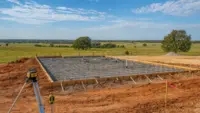
A building is only as dependable as what it sits on. In Oklahoma, clay soils, moisture swings, and seasonal ground movement can put stress on a structure over time. That is why the foundation phase should not be treated like a generic line item.
A qualified build home company should be able to explain how the foundation will support the structure, how reinforcement will be placed, and how the build will meet engineering requirements. For custom metal buildings and barndominiums, foundation planning is especially important because loads, spans, openings, doors, and interior layout all affect how the building performs.
Summit’s construction division brings a rare combination to Oklahoma projects: engineer-spec foundation work as part of the building project, along with full general contracting expertise. That does not mean selling standalone flatwork. It means the foundation is planned and poured as part of the larger structure, with attention to Oklahoma soils, rebar placement, and the requirements of the engineered build.
A good builder should coordinate the moving parts
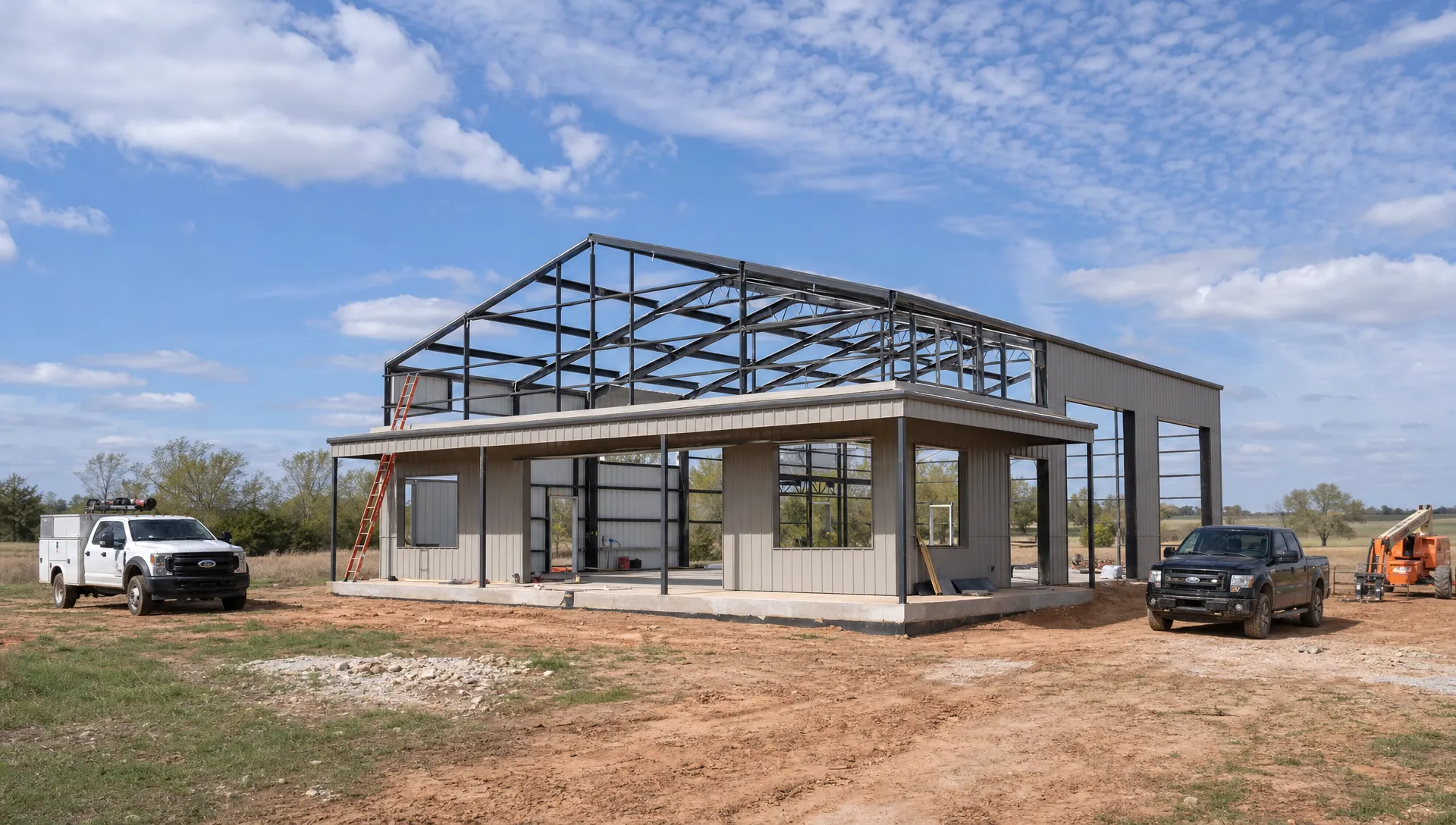
Most building projects involve more than one trade. Even a relatively straightforward shop or garage can require site preparation, foundation work, framing, roofing, doors, utilities, insulation, interior finish-out, and inspections. A barndominium or commercial metal building can involve even more coordination.
This is where a general contractor adds real value. The GC is responsible for sequencing work, coordinating trades, communicating with the owner, and keeping the project moving toward completion. Without that coordination, owners often become the project manager by default.
A good builder should be able to explain who is managing the schedule, who communicates with subcontractors, how changes are handled, and what decisions the owner needs to make before each phase begins. This is especially valuable for landowners who live out of town, business owners who cannot manage construction daily, or families trying to build while maintaining normal life.
If you want to understand that role more clearly, Summit’s overview of general contractor services for barndos and metal buildings is a useful companion to this guide.
Expect customization, not a one-size kit mentality
There is nothing wrong with a kit when it fits the owner’s goals, and some customers choose to purchase a kit and have a builder install it. But a kit seller and a custom builder are not the same thing.
A custom build home company should focus on your land, your intended use, local code requirements, structural needs, and finish preferences. That matters when you are planning oversized doors for RV or boat storage, a shop with living quarters, a horse barn, an equipment building, an outdoor kitchen, a pergola, or a hangar with specific clearance and access needs.
The value of choosing a specialist applies in many areas of life. Just as someone seeking clinic-grade skin care may look for personalized treatments at Lumina Skin Sanctuary, an Oklahoma landowner should look for a construction company whose experience matches the type of building, site conditions, and coordination the project requires.
Summit does not sell prefab kits as its core business, and it does not create architectural or engineering drawings in-house. Instead, it works with architects, engineers, and other professionals when the project calls for it. That keeps the process grounded in proper design, engineering, and build execution.
Communication should be practical and direct
One of the biggest frustrations in construction is not knowing what is happening next. A reliable builder should communicate clearly from the first consultation through completion.
That does not mean every day will be perfect. Weather, inspections, material timing, utility coordination, and change orders can all affect the schedule. But a professional company should explain the process, set realistic expectations, and keep the owner informed when decisions or adjustments are needed.
Good communication usually includes clear answers to questions like:
- What needs to happen before construction can start?
- Who is responsible for permits and inspections?
- What decisions must be made before foundation, framing, and finish-out?
- How are changes documented?
- What parts of the project are handled by the builder, and what parts are handled by others?
This is also where “best value” matters more than cheapest. The lowest number on paper may not include the same scope, foundation quality, project management, permitting support, or finish expectations. A strong builder helps you compare real scope instead of only comparing bottom-line estimates.
The consultation should help you make decisions, not pressure you
A first meeting with a build home company should feel like a working conversation. The builder should listen to what you want, ask specific questions, and help you understand the practical path forward.
For Oklahoma projects, expect to discuss the building type, size goals, property location, site access, desired finish level, utilities, timeline, permitting concerns, and whether you want turn-key construction or a narrower scope. You should also be honest about how you plan to use the structure now and in the future.
A shop that may later become a business space needs different planning than a weekend hobby building. A barndominium that will be a primary residence needs different comfort, insulation, and finish planning than a storage building. A hangar needs careful attention to door systems, clearance, and access. A detached garage in an HOA neighborhood may require a different approval process than an agricultural building on rural acreage.
The right builder will help connect these details before construction begins.
Questions to ask before hiring a build home company
Before you commit, ask questions that reveal how the company thinks and how it manages projects. You are not just buying labor. You are choosing the team responsible for turning your land, plans, and investment into a finished structure.
Strong questions include:
- Have you built projects like mine in Oklahoma?
- Who will manage the project day to day?
- Do you pull permits when permits are required?
- How do you approach foundations for Oklahoma soil conditions?
- Can you build within city limits, including Tulsa?
- What parts of the project are included in your scope?
- Do you coordinate trades as the general contractor?
- How do you handle changes during construction?
- Will you work with my architect, engineer, or kit supplier if needed?
The answers should be specific, not vague. A trustworthy builder will not need to promise unrealistic timelines or quote rough per-square-foot numbers without understanding your land, design, and scope.
What Summit clients can expect
Summit Barndominiums & Outdoor Living is an owner-operated Tulsa-area construction company led by Alan Holcombe. Summit builds custom structures on the customer’s land and serves Tulsa, Broken Arrow, Owasso, Bixby, Jenks, Sand Springs, Claremore, Collinsville, Sapulpa, Bartlesville, Skiatook, Pryor, Oklahoma City, and communities across the state.
The company focuses on custom barndominiums, metal buildings, garages, carports, workshops, sheds, room additions, outdoor kitchens, pergolas, patios, hangars, agricultural buildings, and light-commercial structures. Summit can manage a project from the foundation through finish-out, or handle selected phases depending on the owner’s needs.
The key distinction is accountability. Summit acts as the general contractor, coordinates trades, pulls permits when required, and builds to Oklahoma wind and soil expectations. Its foundation experience is part of the building process, not a standalone flatwork offering.
Summit is not the cheapest option and does not try to be. The goal is best value: a custom, permitted, engineered approach with one point of responsibility from the ground up.
Frequently Asked Questions
What does a build home company do in Oklahoma? A build home company helps plan and construct a custom structure on your land. Depending on the scope, that may include site review, permitting, foundation coordination, framing, trade management, finish-out, and final completion.
Is a barndominium builder different from a kit seller? Yes. A kit seller typically provides a package of building materials or a predesigned structure. A custom builder evaluates your land, coordinates construction, handles local requirements, and can tailor the building to your use, site, and finish goals.
Do I need permits to build on my land in Oklahoma? It depends on the location, jurisdiction, building use, and local rules. City limits, county requirements, HOA rules, and utility requirements can all affect permitting. A qualified builder should help identify what applies before construction starts.
Should I choose a shell build or turn-key build? A shell build may work if you want to manage interior work yourself or already have trades lined up. A turn-key build is usually better if you want one contractor coordinating the full project from foundation through finish-out.
Can Summit build inside Tulsa city limits? Yes. Summit builds within Tulsa city limits as well as surrounding northeast Oklahoma communities and other areas of the state, including Oklahoma City.
Ready to talk through your Oklahoma build?
If you are planning a barndominium, shop, detached garage, carport, hangar, outdoor living structure, agricultural building, or commercial metal building, start with a conversation about your land and goals.
Summit Barndominiums & Outdoor Living offers a free in-person consultation to help you understand the right path for your project. Call or text (918) 286-7084 to discuss your build with an Oklahoma contractor that can manage the project from the ground up.